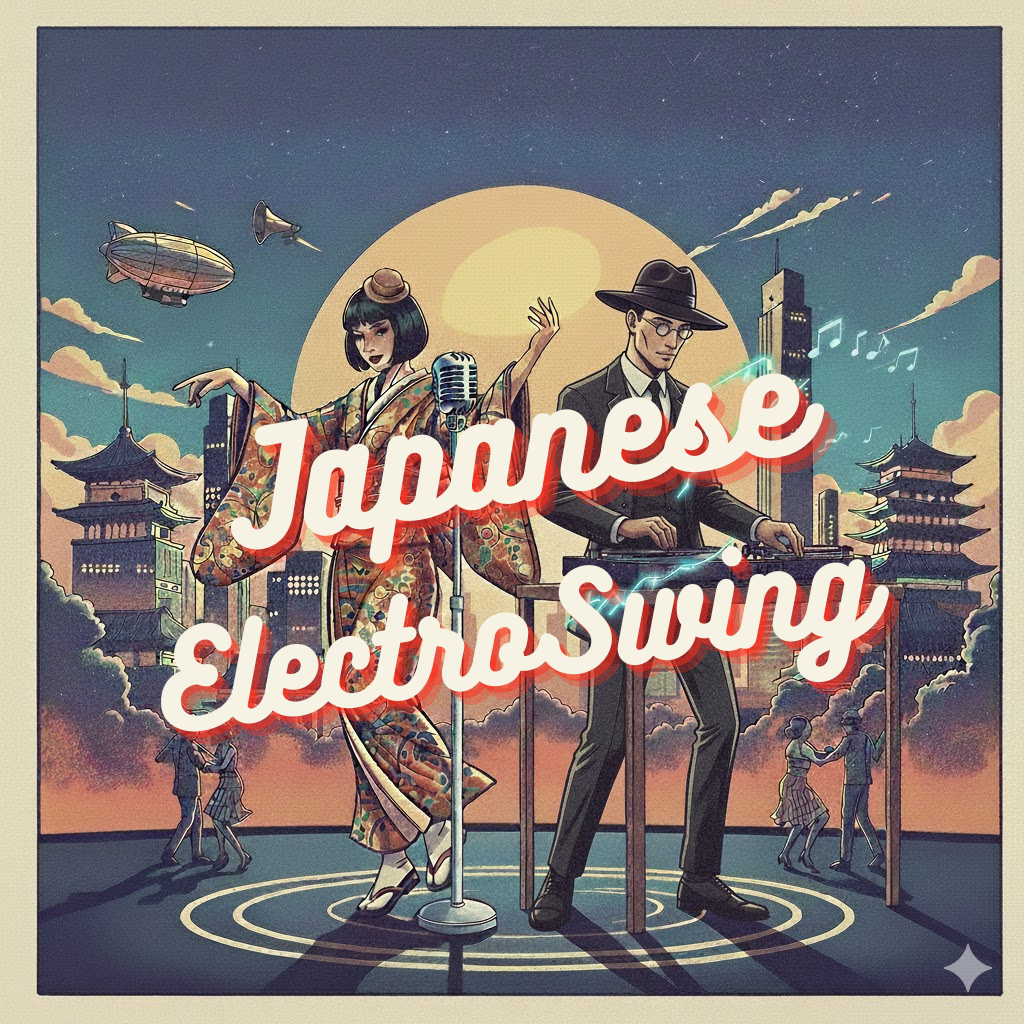
Electro Swing is a genre that originally emerged in Europe.
Artists such as Parov Stelar, Caravan Palace, Bart&Baker, and Swingrowers helped establish its popularity, not only in club scenes but also in advertising, games, animation, and various visual media.
However—
the way this genre spread in Japan followed a development path that is completely different from Europe or the United States.
In Japan, Electro Swing has grown at the intersection of multiple cultures:
Vocaloid, anime, J-Pop, the current retro boom, and even VR culture.
This unique context has given rise to something that doesn’t really exist elsewhere:“Japanese Electro Swing”
🎼 1. The First Wave – A Hit Without Genre Awareness
In 2010, “We No Speak Americano” by Yolanda Be Cool & DCUP became a global hit.
In Japan as well, the track was played frequently in clubs and parties.
However, most people did not recognize it as:“Electro Swing”
but simply as:“a trendy electro-style dance track.”
In other words, the song had penetrated the scene,
but the genre concept behind it was hardly recognized at all.

🎤 2. The Turning Point: Vocaloid Ignites the Scene
Things began to change around 2017–2019.
On platforms such as Niconico Douga and YouTube, the Vocaloid scene started to adopt Electro Swing sounds more and more actively.
Some of the key tracks that triggered this movement are:
Hachiya Nanashi – Limelight (2017)

One of the earliest tracks in which the Electro Swing format was clearly recognized in Japan.
Swing rhythms, jazzy chord progressions, and a Vocaloid voice come together to create a musical character that did not fit into any existing Japanese genre at that time.
Hachiya Nanashi – Jitterbug (2019)
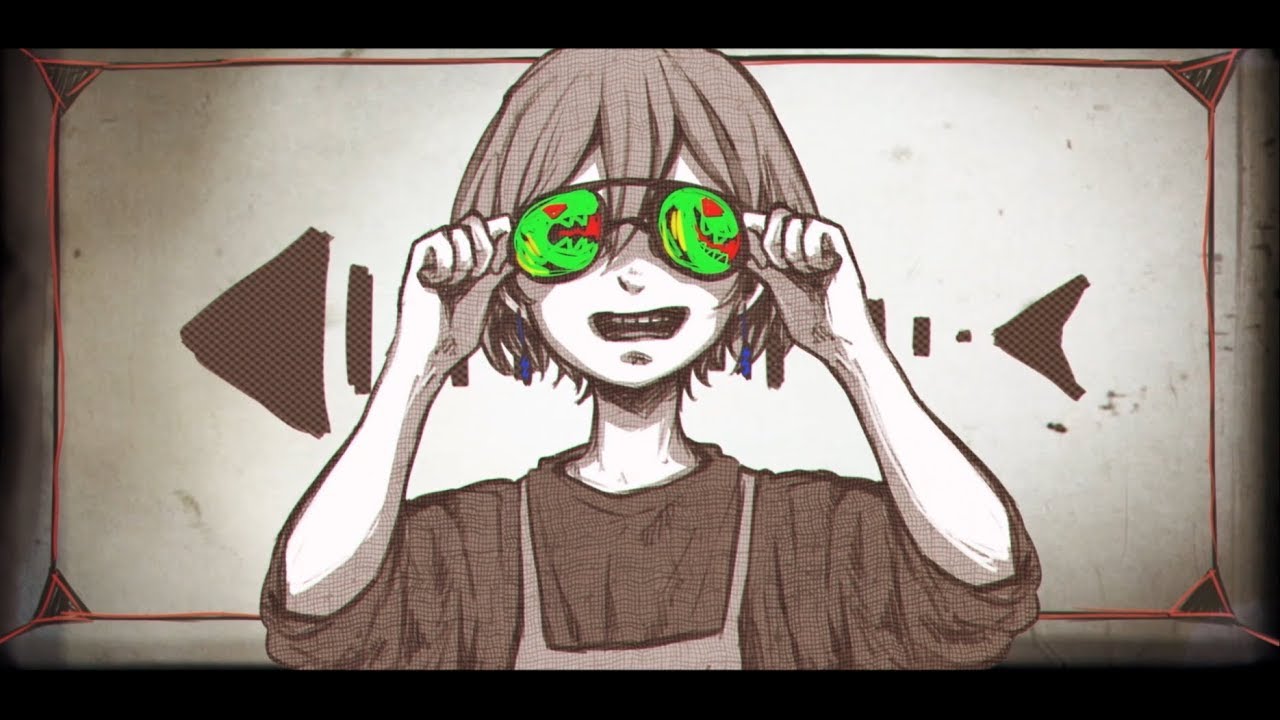
A playful, bouncy world-building that perfectly matches the nature of Electro Swing.
From this track onward, a distinctly Japanese understanding began to spread:“Electro Swing = retro sound × modern sound.”
Hiiragi Kirai – Autophagy (2019)

A track that elevates Electro Swing into a dark, twisted universe.
Around 2019, more and more producers started to reinterpret Electro Swing as a tool to express their own unique worlds within the Vocaloid context.
Electro Swing was no longer just a “fun” style—it became a narrative device.
Wotaku – Gehenna (2019)

Another excellent example of Electro Swing being fully absorbed into a creator’s own aesthetic.
Classical-sounding instruments are cleverly fused with swing rhythms and electronic production, resulting in a uniquely dramatic track.
Ayase – Yokubari (2020)

Ayase is the composer for YOASOBI, one of the most influential acts in today’s Japanese pop scene.
When a top-tier pop creator like Ayase starts incorporating Electro Swing elements, it shows that the style has moved beyond niche status.
That said, what’s happening here is not simply a copy of European Electro Swing.
Rather, it is:
Japanese pop music reimagining Electro Swing as a brass-driven, EDM-oriented sound.
📈 3. Expansion into the Mainstream and Anime
Between 2021 and 2023, the Electro Swing flavor began to spread further into the mainstream J-Pop scene and anime culture.
Ado – Utakata Lullaby

A featured song in the ONE PIECE film.
The track is produced by FAKE TYPE., a Japanese Electro Swing unit that has been active since around 2014 and can be considered one of the pioneers of the style in Japan.
Ado is an extremely popular singer who often dominates Japanese charts.
If you listen closely, you can clearly hear Electro Swing elements in this track.
FAKE TYPE.’s style is characterized by a sophisticated fusion of rap, hip-hop, and Electro Swing.
The song is also notoriously difficult to sing, which has motivated many singers on YouTube to challenge themselves by covering it and uploading their own versions.
Kenshi Yonezu – POP SONG

Kenshi Yonezu – IRIS OUT

Used as a theme song for the anime “Chainsaw Man.”
Jun Fukuyama – DIES NO TIME

Theme song for the anime “The Vampire Dies in No Time.”
Through these works, Electro Swing has followed a distinct path in Japan:
Club culture → Subculture (Vocaloid) → Mainstream pop / Anime theme songs
As a result, it has evolved into a style that can reach general listeners, not just genre enthusiasts.
🎩 4. Key Electro Swing Artists in Japan
In the independent scene, starting around 2018 with Lily Mizusaki,
a number of artists have emerged who specialize in Electro Swing.
Lily Mizusaki
Lily Mizusaki is one of the pioneering electro swing singers in Japan.
She has performed alongside international artists such as Jemmy Berry,Wolfgang lohr and DELADAP, appearing on DYCE IWASAKI’s project “TOKYO NEO SWING.”
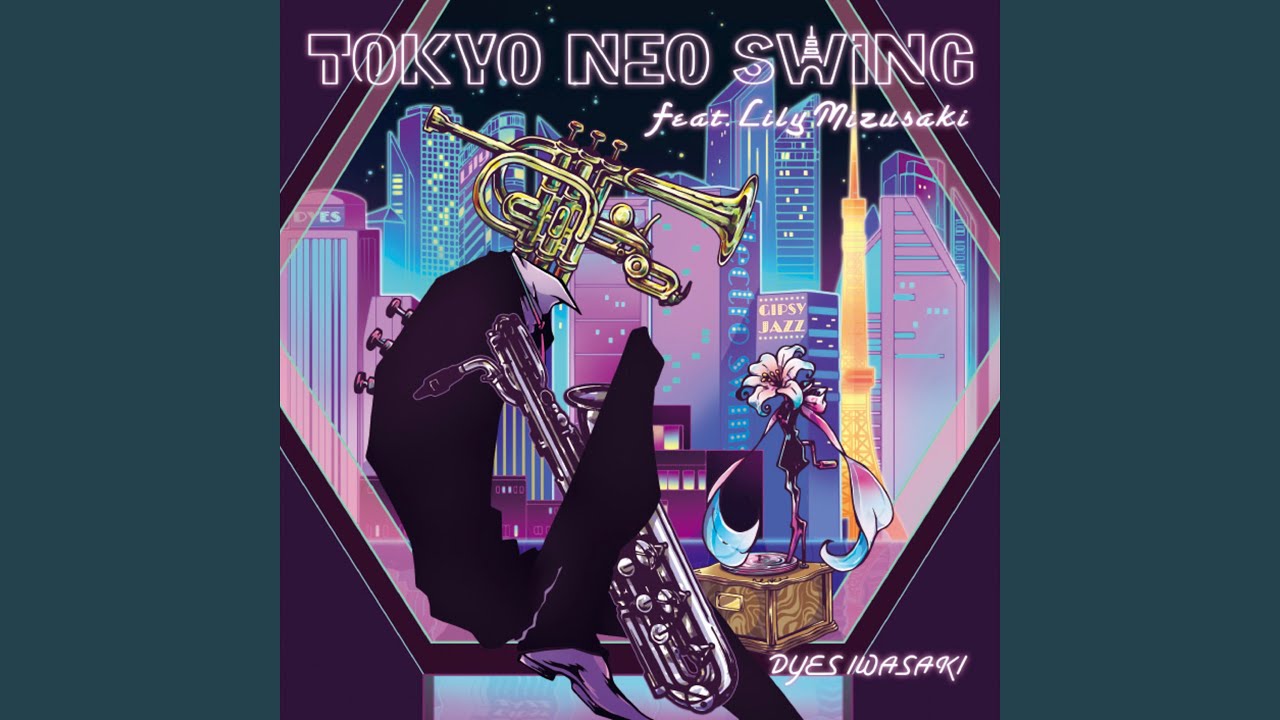

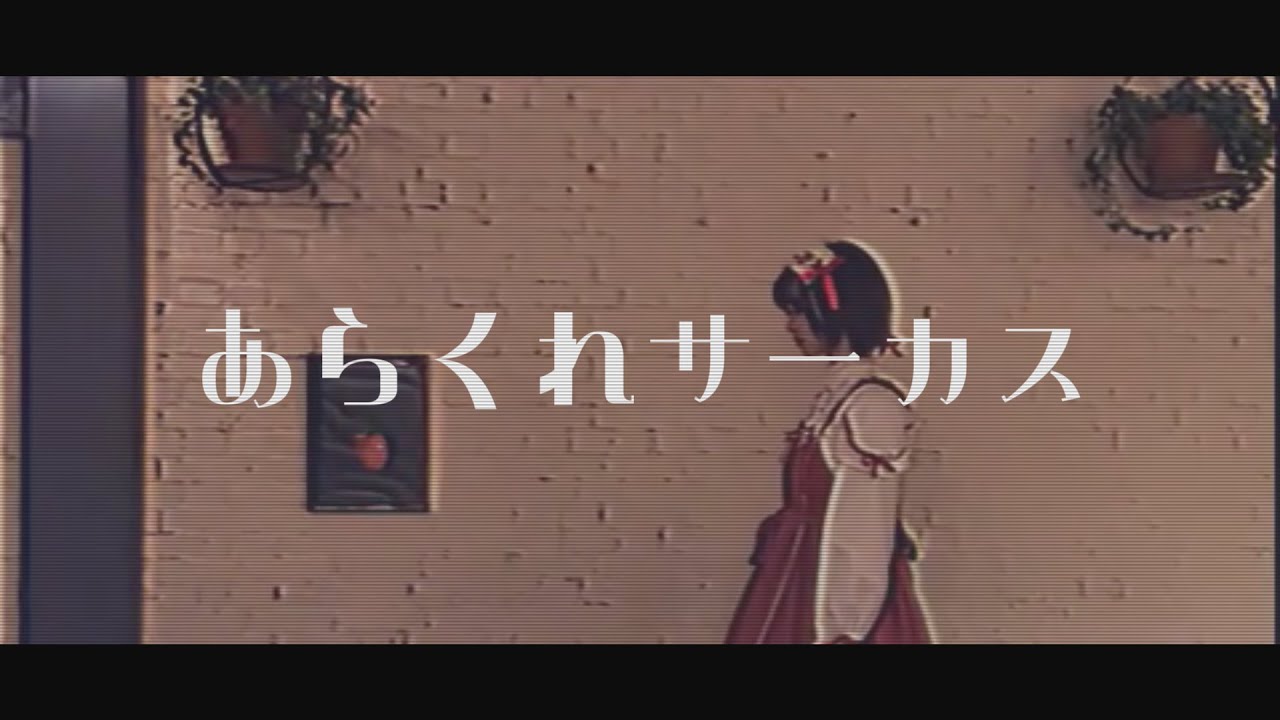
The author, mARUTA mANABU, has contributed to her discography by writing and producing tracks such as “Step quietly” and “Last Show Circus.”


Anshelly
“Romantic Electro Swing Singer.”
Her strong songwriting ability and her melancholic, dreamy voice align perfectly with the world of Electro Swing.
The author has arranged several of her works, including “Room 501” and “Lady Diamond.”


zensen
zensen is a producer and DJ specializing in Vocaloid Electro Swing.
Drawing inspiration from UK Garage, his works are characterized by sharp rhythmic phrasing and driving, aggressive riffs that translate powerfully on the dance floor.
His influence is undeniable — at Japanese Electro Swing events, his tracks are almost guaranteed to appear in the playlist.


Together with Anshelly and zensen, the author, mARUTA mANABU, worked on the track “Oshare ga Shitaiwa,” which has received very positive feedback.

Yummy Rusk & Canele’
Yummy Rusk & Canele’ is currently the only active Electro Swing band in Japan.
Some listeners even describe them as the Japanese version of Caravan Palace due to their energetic performance style and genre fusion.
The author has written music for the band, and they regularly perform as featured members at Osaka Electro Swing, an event curated and hosted by the author.
When a Genre Becomes a Scene
Thanks to the presence of artists who explicitly position themselves around Electro Swing,
the genre in Japan is no longer just:
“a sound occasionally used in Vocaloid tracks”
but has become something that singers and producers can actively identify with.
🎷 5. Characteristics of Japanese Electro Swing
The Japanese interpretation of Electro Swing differs from the European style in several key ways.
✦ Instruments and Production Approach
In Europe, there is a strong focus on live performance:
recorded horn sections, gypsy jazz guitars, and real swing bands.
In Japan, by contrast, production is mostly done via DTM (computer-based, programmed production).
This means:
- Less emphasis on “natural” live feel
- Stronger emphasis on pop sensibility
- Freer, less performance-constrained phrases and riffs
- Easy integration with EDM and anime-song aesthetics
Instead of faithfully recreating the past, many Japanese tracks approach Electro Swing as:
“Catchy, pop-oriented swing built on retro jazz textures.”
✦ Vocal Tone and Singing Style
In European Electro Swing, the typical vocal style is:
- Bluesy
- Jazz-influenced
- Vintage-sounding
In Japan, on the other hand, the vocals tend to be:
- Vocaloid voices
- Contemporary J-Pop singing
- Anime-style high-pitched voices
- Rap and hip-hop flows
So while the instrumental palette might sound retro, the vocal approach is very modern.
Rather than imitating old jazz singing, Japanese producers often combine swing-based instrumentals with:
current Japanese pop, Vocaloid, and rap styles.
✦ Themes and Worldbuilding
In Europe, Electro Swing is closely tied to:
- 1920s–40s culture
- Swing jazz heritage
- Speakeasy / Gatsby-esque aesthetics
In Japan, the perception tends to be more expansive—something like:
“Retro jazz × EDM × Japanese pop culture.”
For example, it often intersects with:
- Vintage Japanese Pop (Kayōkyoku)
- Anime culture
- Maid cafés and themed cafés
- Internet and otaku culture
Rather than purely “returning to history,” Japanese creators often use Electro Swing as a way to:
merge retro jazz sounds with uniquely Japanese pop-cultural motifs.
◆ In Short: What Is Japanese Electro Swing?
Japanese Electro Swing is not just an imitation of European Electro Swing.
It is better described as a new hybrid style:
“Retro Jazz × Pop × Digital Culture.”
🎧 6. The Author’s Work: Reinterpreting 80s J-Pop and City Pop
I myself produce and write Electro Swing and related works, and one of my key focuses is:
“Reinterpreting existing Japanese songs as Electro Swing.”
This approach can be seen as a kind of “Japanese counterpart” to the culture in Europe
where classic songs like “Hit The Road Jack” are frequently rearranged into Electro Swing.
🎵 Megumi no Hito (1980s Kayōkyoku × Electro Swing)

This is a rearrangement of a hugely popular 1980s Japanese kayōkyoku song.
By placing it over a swing beat, the track creates a musical experience where:
nostalgia and freshness coexist.
Original song:

🎵 Tokyo Lullaby (City Pop × Electro Swing)

This is a City Pop song reinterpreted through Electro Swing.
The sophisticated chord progressions typical of City Pop blend surprisingly well with swing rhythms and electronic production.
There are still very few examples of “City Pop × Electro Swing” even globally,
so this represents a relatively new stylistic proposal.
Original song:

🎤 Other works by the author include:
Bloody Rabbit
a Halloween-themed track.

Rabbit Heel
written for Lily Mizusaki.

Sayonara Showgirl
also written for Lily Mizusaki.

🕺 7. Community and Event Culture
Around 2020, a major turning point occurred on the event side of the scene.
Electro Swing DJ Onnoji and vocalist Lily Mizusaki launched a regular party in Tokyo called:“Electro Swing Party Japan.”
This event became a catalyst, and more Electro Swing–focused club events started appearing across Japan.
I myself organize an event in Osaka called:“Osaka Electro Swing.”
Electro Swing Party Japan (Tokyo)
A Tokyo-based Electro Swing party organized by Onnoji and Lily Mizusaki.
The event has grown into a large-scale party with audiences of around 100 people or more.
When Bart&Baker visited Japan, they also came to this event,
highlighting its significance as a hub for the Japanese scene.
Osaka Electro Swing (Osaka)
An Electro Swing event based in Osaka, Japan’s second-largest city, organized by myself.
The party tends to attract many Neo Swing dancers who are also active on TikTok,
and it is one of the very few places in Japan where you can enjoy a live performance by
Yummy Rusk & Canele’, arguably Japan’s only dedicated Electro Swing band.
Lost in the Circus (Nagoya)
An Electro Swing event based in Nagoya, Japan’s third-largest metropolitan area.
It plays an important role in spreading the genre beyond Tokyo and Osaka.
SwingYou (VRChat / Online)
Electro Swing is also thriving inside VRChat.
Several VR-based Electro Swing events have emerged, among which:“SwingYou”
stands out as a pioneering Japanese VR Electro Swing party since around 2021.
The key point about VR-based events is:
There are no geographic barriers—listeners from overseas can participate freely.
This makes SwingYou an important node in connecting Japanese Electro Swing with global audiences.

🎧 Conclusion: Japanese Electro Swing as an Emerging, Independent Style
In Japan, Electro Swing has followed a unique trajectory:
Club culture → Vocaloid subculture → Mainstream pop / anime themes
At the same time, Japan is currently experiencing a major retro boom:
- 1980s City Pop is being rediscovered by younger generations
- 80s-inspired fashion and aesthetics are widely embraced
All of this creates a fertile ground for a style like Electro Swing,
which carries an inherent retro flavor.
That said, the term “Electro Swing” itself is still not widely known among general listeners in Japan.
Artists and creators are quite aware of it, but compared with genres like hip-hop or City Pop,
Electro Swing is still in its developmental phase.
Looked at another way, this also means:
There is still plenty of room for new Electro Swing artists from Japan to emerge and shape the scene.
🎧 Playlist: Start Exploring Japanese Electro Swing
🟦 Japan Electro Swing Essentials
Carefully curated to reflect the evolution of Japanese Electro Swing, this playlist highlights its pioneers, rising artists, and the stylistic fusion that makes the genre distinctly Japanese.
🎧 Listen and discover how Japan is redefining Electro Swing.